Lone Tree, CO · Family-owned
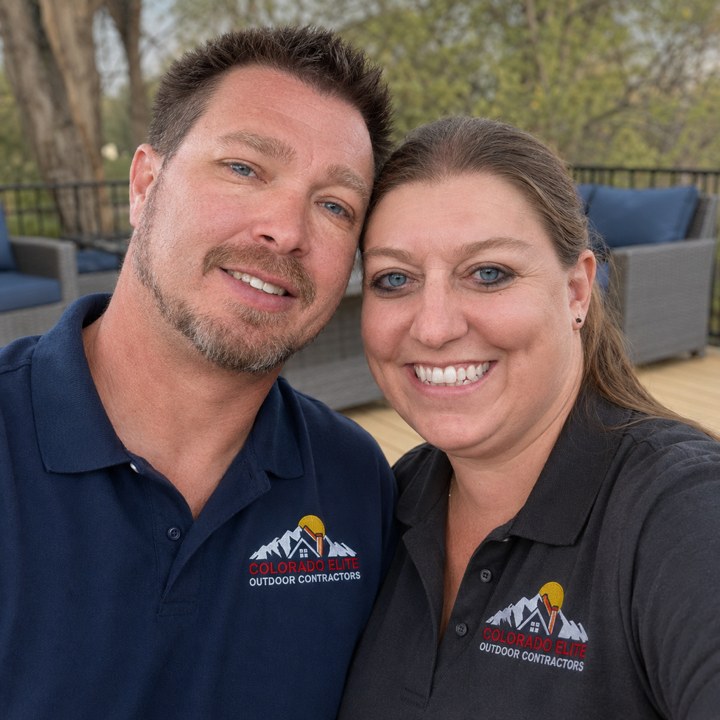 Owner-built by Jon & Janessa Lang
Shops, garages & storage buildings built for Lone Tree, snow load, deep-set posts past the clay, strong mountain sun, and your HOA. Built by Jon & Janessa Lang.
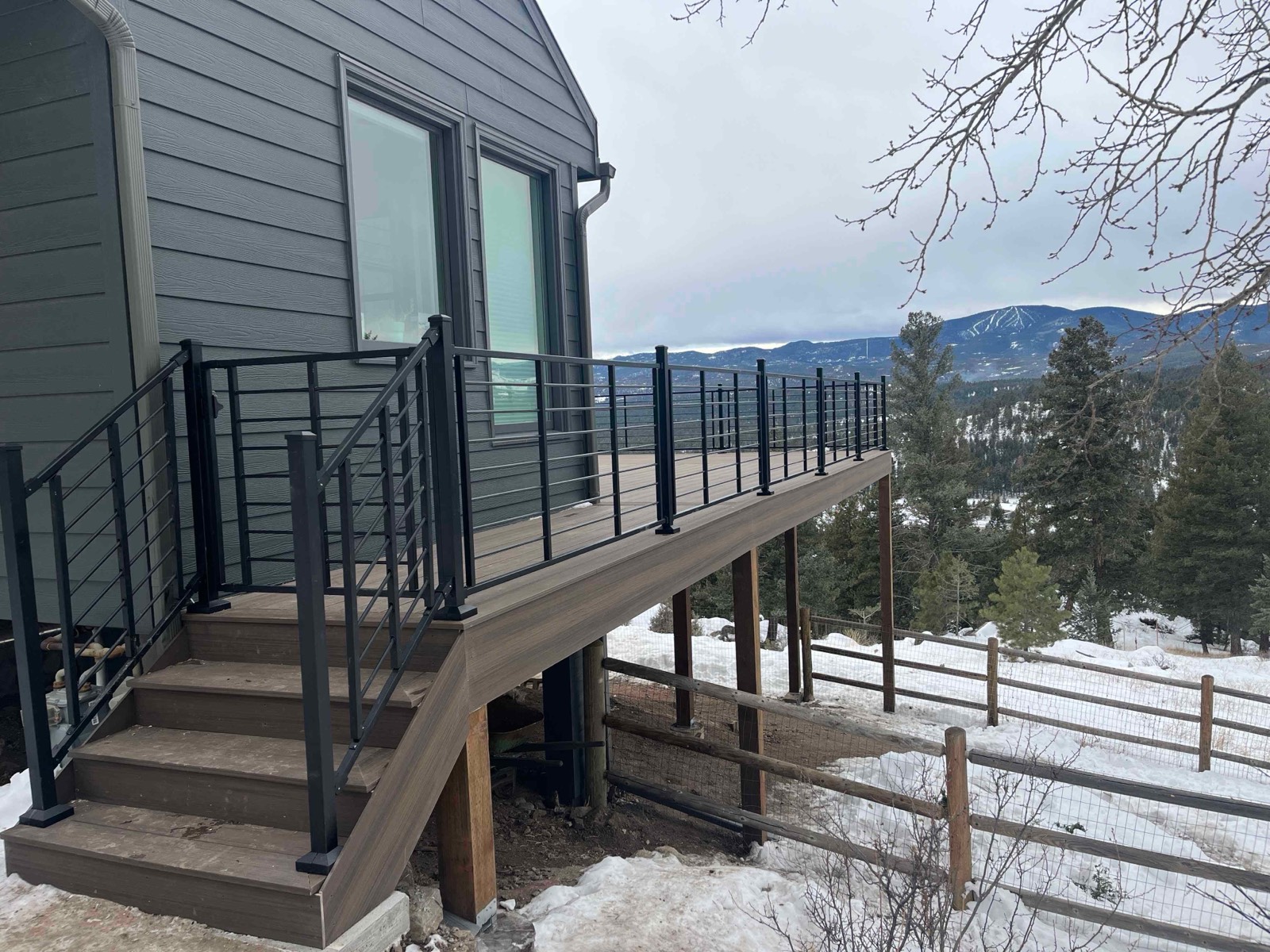
Built for Lone Tree
We've built from the gated streets of Heritage Hills to the modern blocks of RidgeGate, and the ground up here doesn't forgive shortcuts. Lone Tree sits at about 6,000 feet, on clay that swells up when it gets wet, under strong mountain sun and some of the worst hail in the country.
First, an honest word: Lone Tree is a built-up suburban city, and a lot of HOA lots don't allow a big pole barn. So we check your HOA's rules and the city's rules for outbuildings before you spend a dime. On the lots that do allow them, we build shops, garages, and storage buildings that hold up to everything this place throws at them.
“We have a real estate company and several investment properties. We use them personally and refer them out to our clients for decks, fences, barns and sheds. These guys are always willing to do what it takes, on time and enthusiastic.”
Robert Stuart · Barns & shedsBuilt for Lone Tree conditions
Most pole barn problems here trace back to the soil, the snow, or a skipped permit. We build for all three.
The clay under Lone Tree swells up when it gets wet. That's what shifts and heaves a building. We set the posts down deep, past the clay, to solid ground, so a wet spring can't lift or move it.
We size the roof and frame for Lone Tree's snow load, so the building carries the weight all winter, not a frame built for warmer, lower places that bows under the first heavy storm.
Lone Tree sits in Hail Alley, and hail hits harder up at altitude. We use tough roofing and siding that stand up to the hail and the strong 6,000-foot sun, so you're not fixing storm damage every year.
Lone Tree runs its own city building office (720-390-5211), not Douglas County, so your permit comes from the city. Your HOA, like the strict Design Review Committee in gated Heritage Hills, has to say yes to an outbuilding first. We handle both.
“The inspector was impressed by their system and mentioned this deck is built to withstand a hurricane.”
Dominic ValenzuelaWhat we see in Lone Tree yards
After a few hundred Front Range builds, the requests from this city are predictable in the best way. Odds are yours is on this list, and we've already solved it.
The most common call: a heated shop or a detached garage to get vehicles, toys, and projects out of the weather. We size the roof and frame for Lone Tree's snow load so the building carries the weight every winter.
The clay under Lone Tree swells when it gets wet, which is what shifts and heaves a building. We dig the posts down deep, past the clay, to solid ground, so a wet spring can't move it off its line.
Room for the mower, the trailer, the tools, and the hobby. We build clean storage and workshop buildings sized to your lot and what your HOA and the city allow, with the doors and layout you actually need.
Lone Tree is a built-up city, and a lot of HOA lots don't allow a big pole barn. We're honest about that up front, we check your HOA and the city's outbuilding rules before you spend a dime, then build what your lot does allow.
If you've had to fix a roof or siding after a Lone Tree storm, you're not alone. We use tough roofing and siding so the next big hail doesn't start it all over on your new building.
We match the building to your house, color, roofline and all, and folks often add a deck, fence or patio cover at the same time. One crew, one schedule, one job instead of three.
Where we build in Lone Tree
From the gated streets of Heritage Hills to the modern blocks of RidgeGate, and the golf-course lots in Carriage Club. A few of the neighborhoods we work in:
Lone Tree pole barn questions
Get a free, itemized estimate from the owners. Most Lone Tree homeowners hear back the same day.
Get My Free Estimate or call (720) 674-9058